Gymnastics Mom Squad Retro: A Designer's Stitch Review
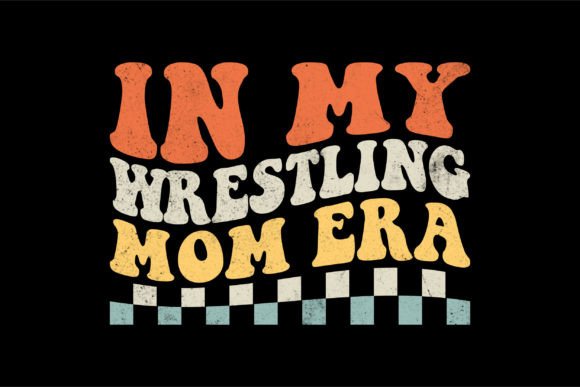
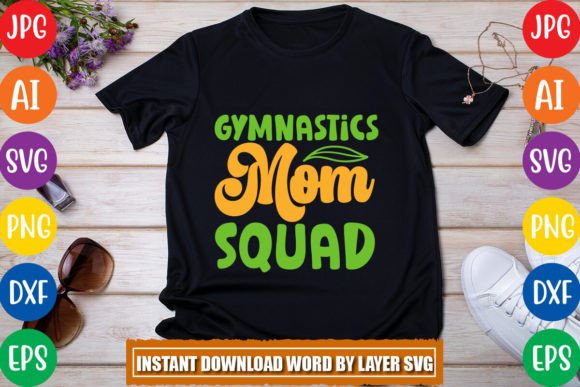
When I first pulled up the Gymnastics Mom Squad Retro file on my screen, I wasn't just looking at a graphic; I was mentally mapping out how those lines would translate into thread. As someone who spends hours hooping fabric and trimming jump stitches, my first impression of any design is rarely about the digital preview alone. It's about the potential tactile reality. This specific design carries a distinct nostalgic weight, leaning heavily into that vintage 70s and 80s aesthetic that has taken the craft world by storm. The typography feels rounded and approachable, evoking the spirit of community found in gym bleachers everywhere. For an embroidery project, this mood is crucial because it dictates the entire vibe of the finished product before a single needle hits the fabric.
Visual Personality and Layout Analysis
The layout of Gymnastics Mom Squad Retro is deceptively simple, which is often where the challenge lies for us as digitizers and stitchers. The retro styling usually implies bold curves and potentially some distressed or textured elements if the original graphic includes them. In a machine embroidery design context, we have to consider how these shapes hold up. If the design relies on fine lines to create that "worn" retro look, we need to be cautious about stitch density. Too dense, and the design becomes a stiff plastic patch; too sparse, and the fabric shows through, ruining the illusion. The visual personality here screams "team spirit," making it an ideal candidate for group orders or boutique collections targeting active families.
From a compositional standpoint, the balance between the text and any graphical elements (like gymnastic figures or stars, common in this niche) needs to be tight. In my experience, designs labeled as "Squad" often feature arched text or stacked lettering. If Gymnastics Mom Squad Retro follows this trend, the curvature must be smooth. Jagged curves in embroidery can look amateurish, so checking the vector path in the included SVG or EPS files before converting or stitching is a non-negotiable step for professional results.
Real-World Application: The Weekend Tournament Rush
Let's walk through a realistic scenario where this design shines. Imagine a local gymnastics studio approaching you for a last-minute order before a regional meet. They need matching items for the coaches and the supportive parents—the "Mom Squad." You decide to use Gymnastics Mom Squad Retro on a set of high-quality cotton tote bags and fleece sweatshirts. This is where the rubber meets the road.
For the tote bags, the flat surface offers a perfect canvas. The retro font likely has enough body to stand out against the canvas texture without sinking in. However, for the sweatshirt embroidery, the game changes. Fleece has a nap, and if the stitch count is low or the columns are too wide, the fabric will push up between the stitches, creating a lumpy finish. In this real-life case, I would immediately think about using a cut-away stabilizer rather than tear-away to ensure the design remains crisp after multiple washes and the rough handling of a sports bag. The customer reaction to seeing their team name stitched in a cool, vintage style rather than a generic block font would likely be one of immediate pride and connection. It elevates a standard uniform into a cherished keepsake.
Navigating Fabric Challenges and Hoop Constraints
While Gymnastics Mom Squad Retro is versatile, it isn't universal. There are specific scenarios where you need to proceed with caution. If you are working with stretchy performance fabrics, which are common in gymnastics apparel, the stability of the design becomes paramount. A heavy fill stitch can restrict the stretch of the garment, making it uncomfortable to wear during actual movement. In such cases, considering an applique design approach might be smarter, using the graphic as a template to sew on a separate piece of fabric, thereby reducing the stitch density on the base garment.
Furthermore, consider the hoop size. If the design is large and intricate, it might not fit in a standard 4x4 hoop, requiring a re-hoop or a larger machine capability. Always check the dimensions provided in the download details. Additionally, dark fabrics present a unique challenge for retro designs that often utilize lighter or muted color palettes. If the design doesn't include an underlay or a backing layer in its digitization, the dark shirt color will alter the perceived hue of the thread colors. Testing on a scrap piece of the exact same fabric is the only way to guarantee the contrast works.
Commercial Viability for Etsy Sellers and Boutiques
For the Etsy seller or small shop owner, the value of a design like Gymnastics Mom Squad Retro extends beyond aesthetics; it's about marketability. This type of graphic taps into a specific, passionate demographic. Parents love showcasing their support, and retro trends are currently driving high engagement on social media platforms. When you list a finished product featuring this design, the perceived value increases because it feels custom and curated rather than mass-produced.
However, professionalism is key. A sloppy stitch job on a trendy design can damage your brand reputation faster than anything else. Ensure that your thread colors are vibrant and match the retro vibe—think mustard yellows, burnt oranges, and faded teals rather than neon brights unless specified. Consistency in your handmade product presentation, from the stitching quality to the finishing of the threads on the back, builds customer trust. If a buyer sees a clean, well-executed Gymnastics Mom Squad Retro on their pillow cover or apron, they are more likely to return for holiday embroidery or wedding gifts.
Essential Technical Notes for the Maker
Before you commit to a full production run, there are practical steps every designer should take. First, since the product description mentions a digital download with SVG and EPS files, verify if these are ready-to-stitch embroidery files or if they require digitizing software to convert into a machine-readable format like PES or DST. The description notes "Word By Layer Svg Files," which suggests excellent editability for cutting machines, but for embroidery, you need to ensure the stitch path is optimized.
- Test on Scraps: Always stitch a sample on the same fabric weight and type you intend to sell.
- Check Stabilizer: Match your stabilizer to the fabric; woven stabilizers for knits, cut-away for high-stress areas.
- Review Density: Look for areas where satin stitch columns might be too wide, causing looping.
- Color Contrast: Mock up the design in black and white to ensure the shapes are distinguishable without relying on color.
- Licensing: Confirm the license terms for commercial use. Can you sell the physical item? Can you sell the digital file? Never assume.
In conclusion, Gymnastics Mom Squad Retro holds significant promise for creating emotional connections through custom apparel and home decor. Its success, however, relies entirely on the execution. By respecting the limitations of your materials and understanding the technical demands of the design, you can transform a simple digital asset into a high-value, tangible product that customers will treasure. Whether it's a baby embroidery gift for a new gymnast or a branded item for a local club, the potential is there for those willing to put in the detailed work.